
Understanding the Life Expectancy of Fitness Equipment: Treadmills, Ellipticals, and More

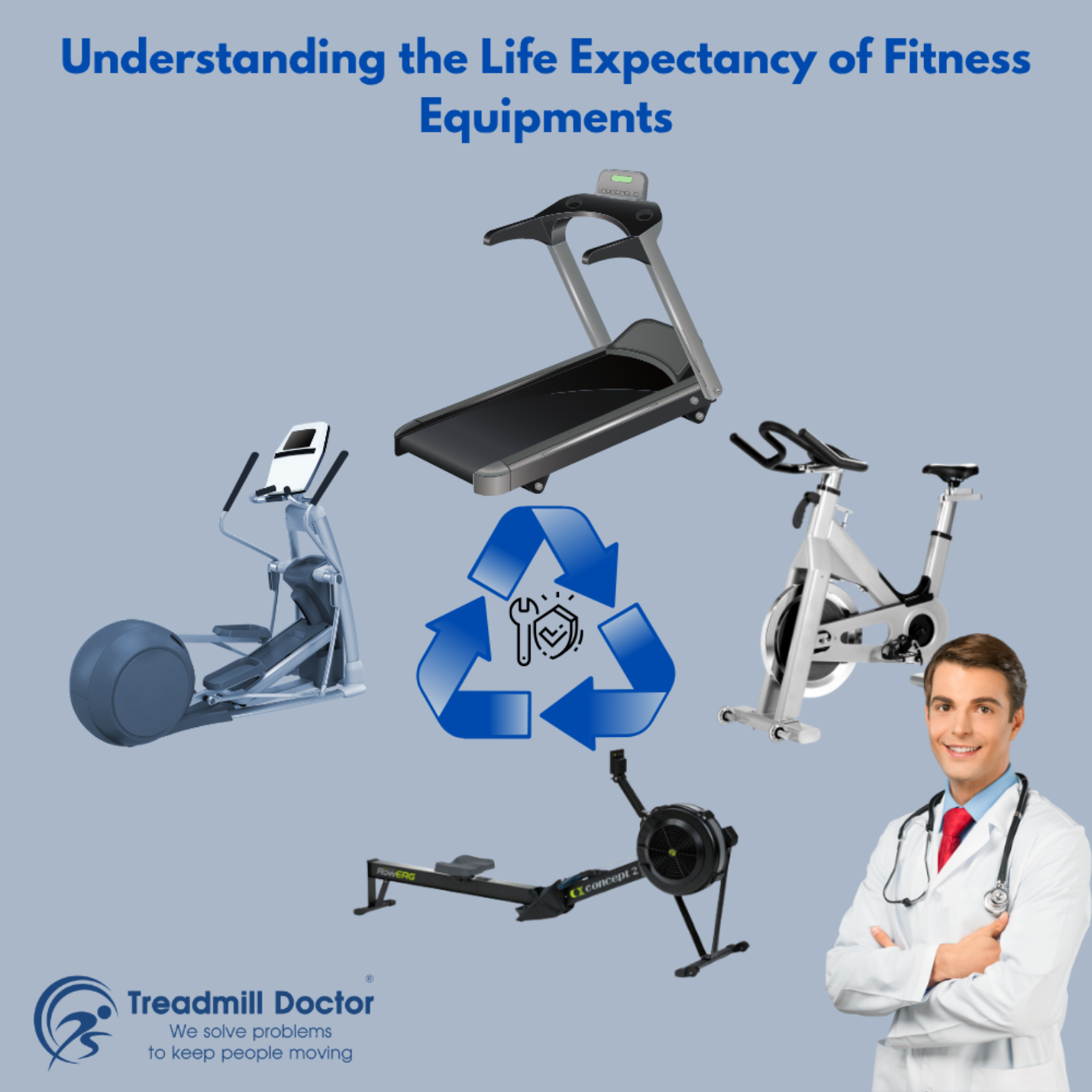
The day you bring home a shiny new treadmill or elliptical, everything just works. The console lights up, the belt glides smoothly, and your workouts feel unstoppable. Fast forward a few years, and things might start to squeak, stutter, or stall. If you’re a gym owner or fitness enthusiast, you might be wondering: How long should my fitness equipment actually last? And what can I do to keep my investment running (or biking, or rowing) strong?
Let’s get straight into the nuts and bolts of fitness gear longevity, with handy advice for getting more miles—literally and figuratively—out of your machines.
How Long Should Fitness Equipment Last?
When it comes to fitness equipment, not all machines—or price tags—are created equal. It’s tempting to hunt for a number, but the truth is, there’s no solid "expiration date" for equipment like treadmills. As with most things in life (especially those with moving parts), you get what you pay for.
Let’s use treadmills as our prime example:
- Treadmills:Cheap walking pads on Amazon might look tempting, but they’re built with low-grade materials, often develop issues within mere months, come with little product support, and rarely offer available replacement parts. Their lifespans? Considerably short. Name-brand treadmills, on the other hand, are designed from sturdier stuff, with readily available replacement parts to keep them rolling. Commercial-grade treadmills are built for heavy, constant use and have critical components that withstand far more wear and tear than budget picks.
- The lifespan of your treadmill depends on several factors: build quality, the environment (dust, humidity, and temperature matter!), frequency and intensity of use, how well you maintain it, and—critically—the ongoing availability of replacement parts. Most users can expect to replace a treadmill belt around the 5–7 year mark. And here’s a "pro tip": Most premature component failures are caused by excessive friction from a worn-out walking belt or deck. Regular love and attention—a.k.a. keeping the belt well-lubricated every few months and replacing it every few years—makes life easier on all the moving parts, preserving your treadmill for countless steps more.
And across the fitness floor:
- Ellipticals: Similarly, name-brand ellipticals treated with care will serve you 8 to 10 years comfortably, while bargain models may bow out early.
- Exercise Bikes:These solid workhorses often pedal past a decade, with commercial uprights and spin bikes going even longer if properly maintained. Rowing Machines: Buy quality, keep it clean, and a rower can go for 10 years or more—though again, treat it poorly and it'll want to dock early.
- Rowing Machines:Buy quality, keep it clean, and a rower can go for 10 years or more—though again, treat it poorly and it'll want to dock early.
At the end of the day, your equipment’s "number" is shaped by your choices: Buy thoughtfully, maintain regularly, and replace key parts to keep your workout buddy in marathon condition.`1
What Impacts Equipment Longevity?
Several factors work together to either extend or shorten your machine’s life. Here’s what to keep in mind:
- Usage Patterns: Daily gym use is a whole different beast from the occasional home jog. Heavy, high-intensity workouts can wear parts faster.
- Maintenance Habits:Let’s say it again—keep it clean! Sweat and dust are a machine’s worst enemies. Tighten those bolts, lubricate moving parts (especially your treadmill’s walking belt), and don’t skip scheduled basic maintenance.
- Quality of Parts: Entry-level machines cut corners with cheaper components, while commercial-grade models laugh in the face of punishment, thanks to more robust materials and engineering
- Environment: Dusty garages, humid basements, and sunlit rooms can all reduce lifespan—especially for electronics and moving bits.
The magic formula? Love, lube, and a little vigilance
How Can You Make Your Treadmill or Elliptical Last Longer?
A little love goes a long way in fitness equipment land. Here’s your cheat sheet for getting more years out of your machine:
- Keep Things Clean: Wipe sweat and dust after every use, especially from displays and moving parts.
- Lubricate and Tighten:Lubricate your treadmill belt every few months (or as your manufacturer recommends), and routinely tighten loose bolts and screws. For ellipticals, check articulating joints and pedals—give them the VIP (Very Important Parts) treatment.
- Monitor Performance: Odd noises, stalling, or resistance changes are early warning signs. Don’t ignore them!
- Change Worn Parts: Keep an eye on wearable components like belts, rollers, pedals, and grips. Swapping these out promptly avoids further damage.
- Consult Resources: If you hit a snag, Treadmill Doctor provides a treasure trove of troubleshooting guides and advice (but always focus on purchasing parts, not booking service—after all, that’s our specialty!).
Regular TLC prevents full-blown meltdowns later. Maintenance isn’t just about longevity—it’s your ticket to safe, enjoyable, and consistently solid workouts.
Repair, Replace, or Both? Making the Call
Knowing when to repair a machine versus saying goodbye can feel tricky. Here’s a handy decision tree for your next equipment dilemma:
- Repair: if you’re dealing with small issues (like worn belts, squeaky rollers, or stubborn consoles). Replacement parts are often inexpensive and fixable with a little know-how.
- Replace: if the frame is cracked, the machine is way past its prime, or repeated major failures keep popping up.
- Assess the Parts: Is the cost of repairs creeping up to 50% (or more) of the price of a new machine? That’s a strong cue to upgrade.
- Upgrade When Necessary: New safety features, quieter operation, and better efficiency in modern models can be a real game-changer if your old workout companion is no longer pulling its weight.
If you’re unsure, an honest diagnosis of your treadmill’s motor, your elliptical’s drive system, or your bike’s electronics can clear things up. If you're troubleshooting a "no power to treadmill" issue, check out our detailed blog post for a walk-through of the most common power problems and solutions.
Extending Equipment Lifespan: Your Next Steps
To keep your gear in tip-top shape, always prioritize regular reviews and don’t ignore changes in performance. Whether it’s sourcing fitness equipment replacement parts or learning how to tackle your first running machine repair, you’re not in this alone. Treadmill Doctor is your go-to partner for advice, top-quality parts, and a straightforward guide through the world of fitness machine care.
Conclusion
With the right care and a bit of preventative action—especially keeping things clean and properly lubricated—your fitness equipment can last for many years, providing a reliable base for all of your workouts. Understand how long each machine should last (hint: the ball’s in your court!), keep up with simple maintenance (clean, lube, replace belts on cue!), and know when it’s time to patch things up or pursue an upgrade. For every tune-up, hiccup, or missing part, Treadmill Doctor has your back (and your belt, and your drive motor). Here’s to longer runs, smoother strides, and gear that goes the extra mile—so you can too.